

- Learn on a recurve first and make the longbow your second bow, unless the longbow tradition is the whole point for you.
- Pick the shape first: English (narrow, rounded limbs), American flatbow or a hybrid with reflex-deflex limbs.
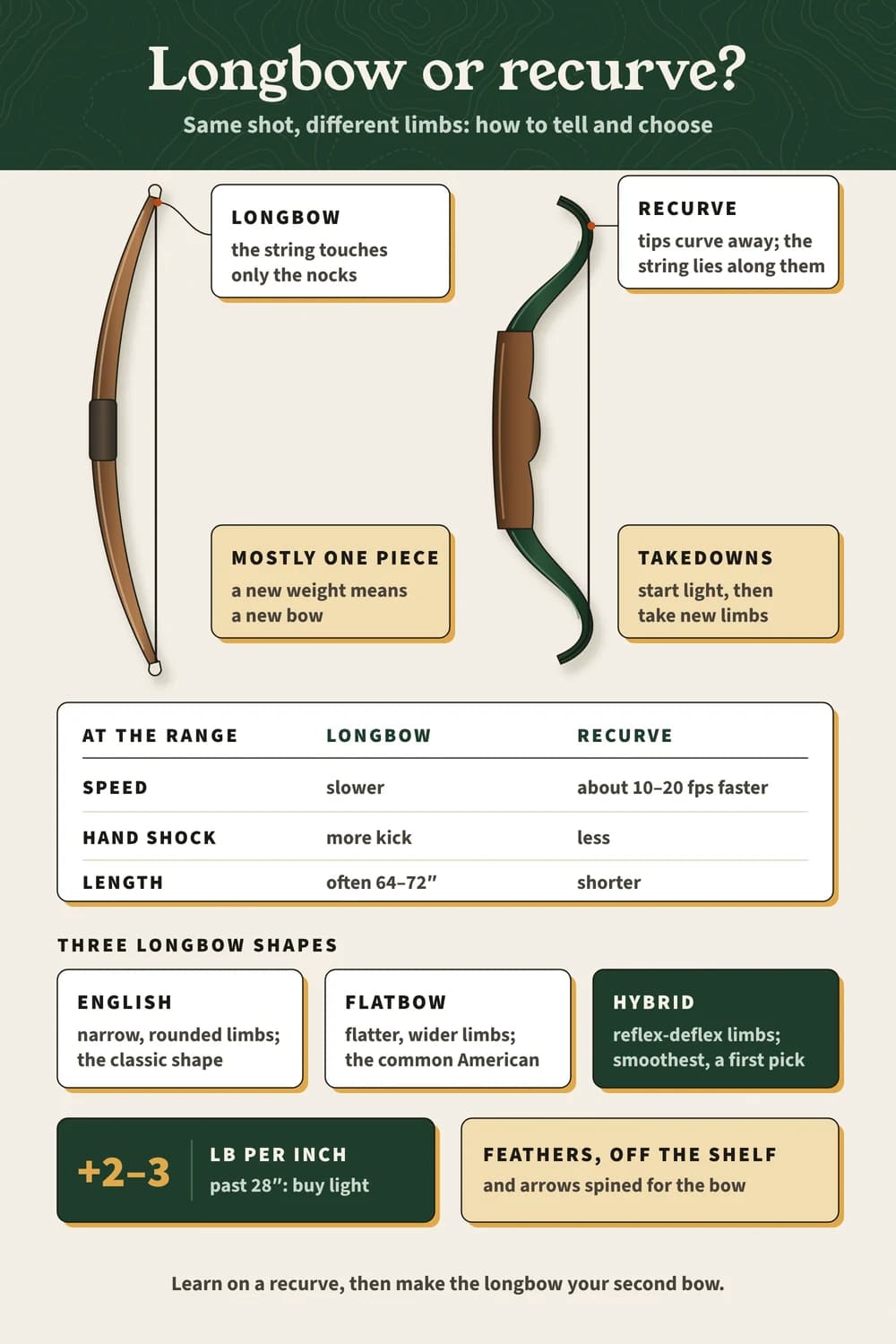
- Buy it lighter than you think: weight is marked at 28″, and every inch past that adds about 2–3 lb.
- Most longbows are one-piece, so the weight you buy is the weight you keep.
- Shoot it with feathers and arrows spined for the bow, off the shelf or your hand.
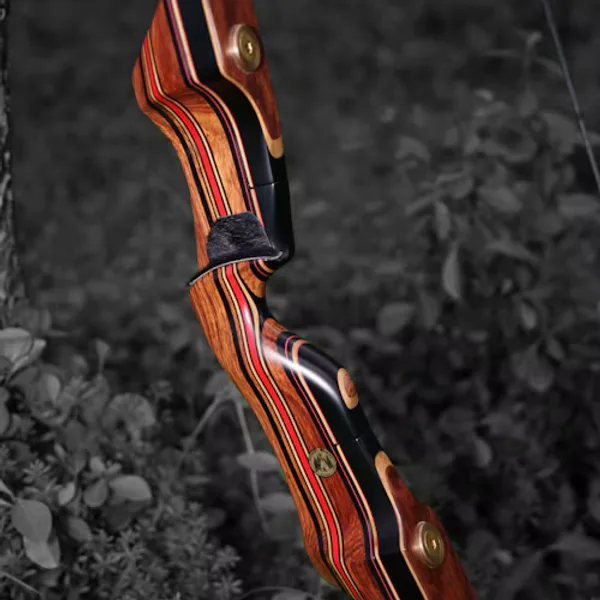
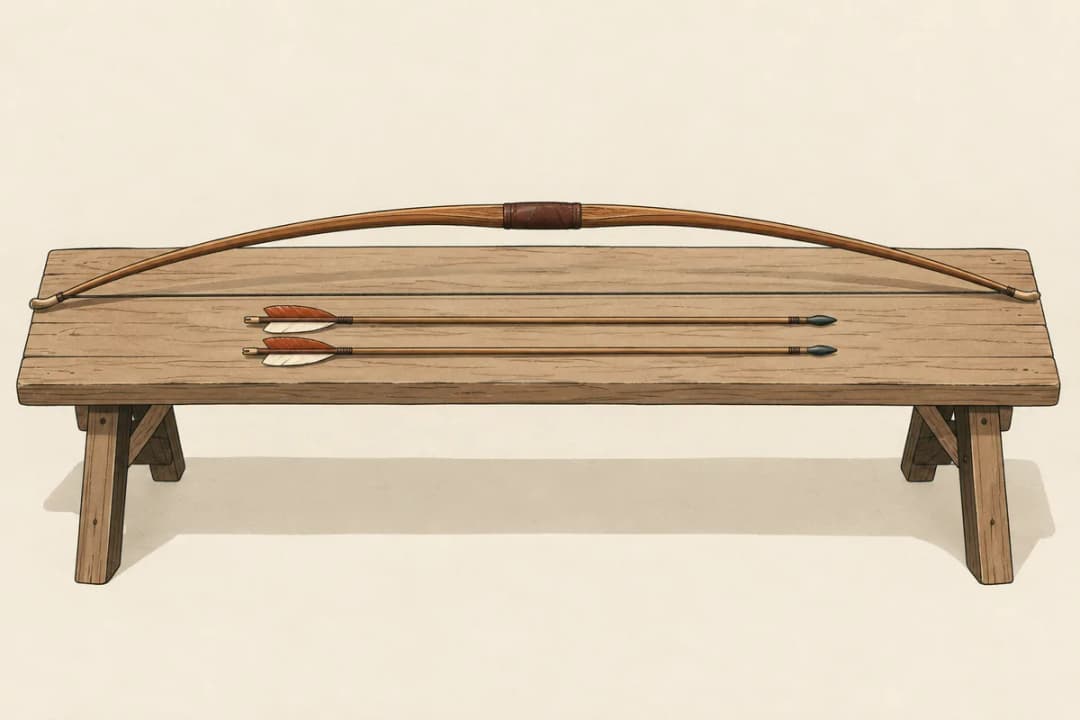
A plain wooden longbow, tall and quiet, its string touching it only at the tips: it’s hard not to fall for one. 😍 Should it be your first bow, though?
My answer: learn on a recurve, then buy the longbow, because the recurve teaches the same instinctive shot with less hand shock and swappable limbs (the traditional bow guide compares the shapes). When you’re ready, here’s how to choose one.
Longbow vs recurve: 5 differences you feel at the range
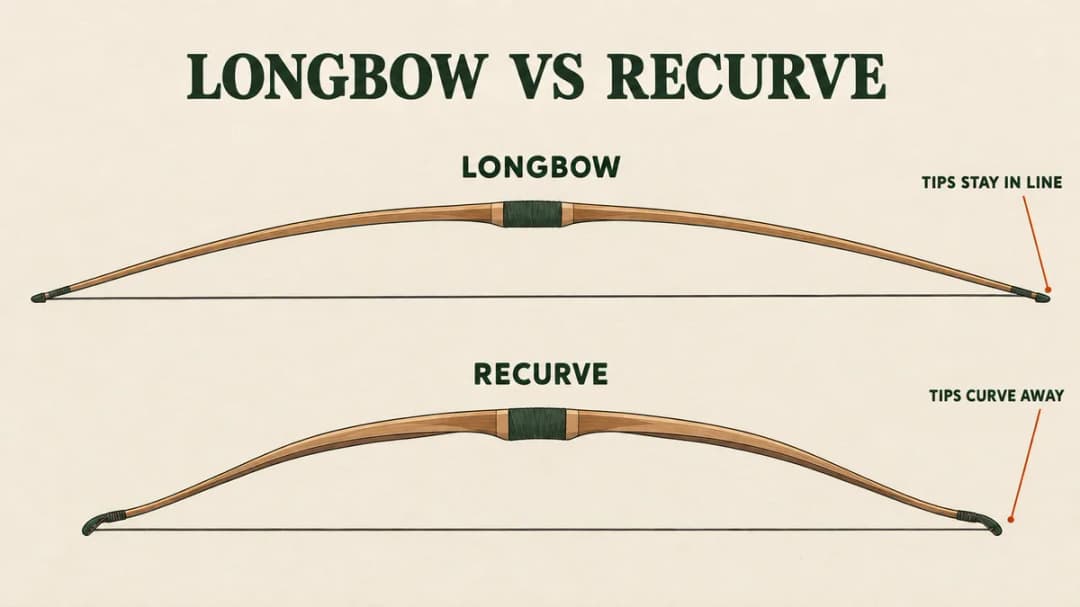
Both are traditional bows you shoot with your fingers and usually no sights, so the shot itself is the same. The difference is in the limbs: strung, a longbow’s string touches only the nocks, which is how World Archery’s rules tell it apart from a recurve.
| What you notice | Longbow | Recurve |
|---|---|---|
| Limb tips | No recurve; the string touches only the nocks | Curve away from you; the string lies along the tips |
| Speed at the same draw weight | Slower | Usually about 10–20 fps faster |
| Hand shock | More kick in your bow hand | Less |
| Length | Long, often 64–72″ | Shorter, easier in a blind or a tree stand |
| Changing draw weight | Mostly one piece: a new weight means a new bow | Takedowns take new limbs |
The longbow has real strengths too. Johnathan Karch of 3Rivers Archery, who shoots both, explains one in the video further down:
They also have those thinner but stouter/thicker limbs. Nice thing with that, makes the bow more forgiving to shoot… If you have a little bit of slop in your release, the limbs aren’t going to get pulled to the side and it can save a shot with that.
That’s fair. And it’s a point for the longbow. I’d still start on a recurve, because a sloppy release is something you fix with practice, while a one-piece bow thats too heavy stays too heavy.
Why your first bow should be a recurve, not a longbow
Here’s my stance: learn on a recurve and make the longbow your second bow. You learn the same things on both (stance, anchor, a clean release, aiming by feel), and a takedown recurve lets you start light and swap to heavier limbs as you get stronger.
I picked a recurve as my first bow for the traditional feel as much as anything, and it delivered:
I like the idea of being traditional and being closer to nature, and I thought that was pretty close.
The exception: if the longbow itself is why you’re here (the history, the English longbow, the challenge), buy the longbow. Just buy it light, and give your form a few extra weeks.
How to choose a longbow: shape, weight, length and grip
When you’re ready to buy decide in this order. Shape and draw weight matter most; length and grip follow from your body.
Shape: English, flatbow or hybrid
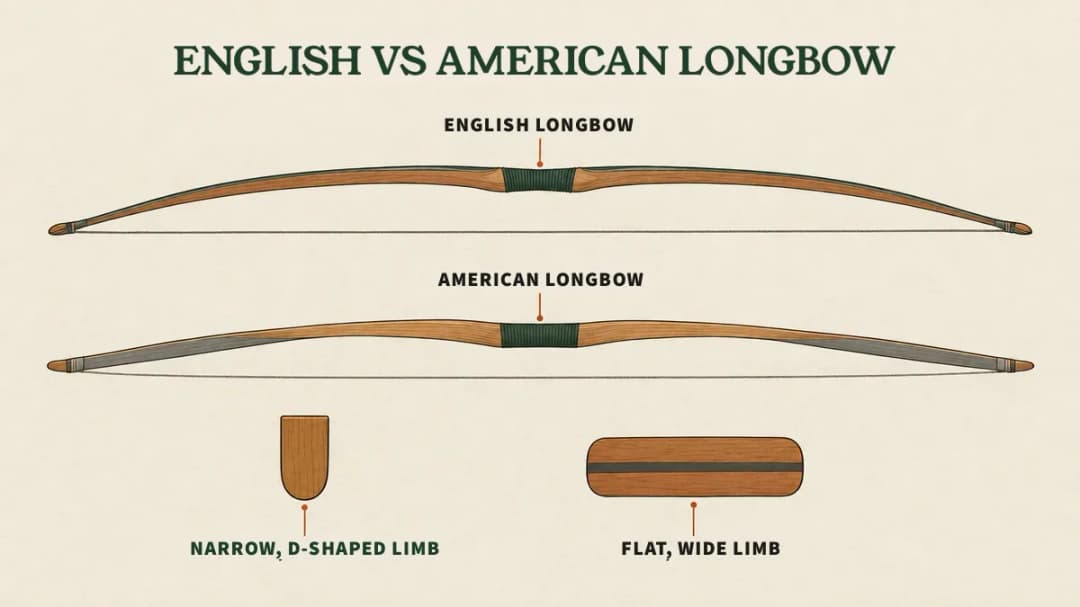
There are three common longbow shapes, and they shoot differently. For a first longbow, I’d pick a hybrid, the smoothest of the three; the English longbow is the one for history lovers.
| Shape | Limbs | How it shoots |
|---|---|---|
| English longbow | Narrow, rounded or D-shaped | The classic medieval shape and feel |
| American longbow (flatbow) | Flatter and wider | The common modern American longbow |
| Hybrid longbow | Reflex-deflex: limbs bend back slightly when unstrung | Smoother and faster, close to many modern recurves |
Modern longbows are usually laminated wood and fiberglass rather than one piece of wood, and some come as two-piece takedowns. A takedown longbow is worth the search if you travel, though most are still one-piece.
Draw weight: go lighter than you think
Traditional bows are marked with their weight at a 28-inch draw. Every inch past 28 adds roughly 2–3 lb, so with a 30-inch draw you pull noticeably more than the number on the limb.
My first bow was a 45 lb recurve, and the first time I pulled it I managed about three shots before I was done. On a one-piece longbow there are no limbs to swap, so buy the weight you can shoot well now, not the one you hope to hunt with.
Length and grip: fit the bow to your draw and your hand
Longbows run from about 60 inches to over 70, and a longer draw needs a longer bow. Karch explains why the long limbs matter:
Since it’s the limb that’s doing most the move when you draw, having more limb, or area for it, makes it smoother all the way back.
So don’t buy short to save space. Measure your draw length, then buy the length the maker lists for it, and go longer if you’re between two sizes.
Grips are simpler on a longbow than a recurve, usually a straight or low-wrist handle. Hold it before you buy: a grip that fights your hand shows up in every shot.
 From Jedain
// Free printable
Get the range log I actually use.
Seventeen printable pages: session log, score tracker, a 30-day drill challenge, a bow maintenance card, a first-season checklist and more. Join the monthly email and it lands right away.
How to shoot a longbow: off the shelf, with feathers
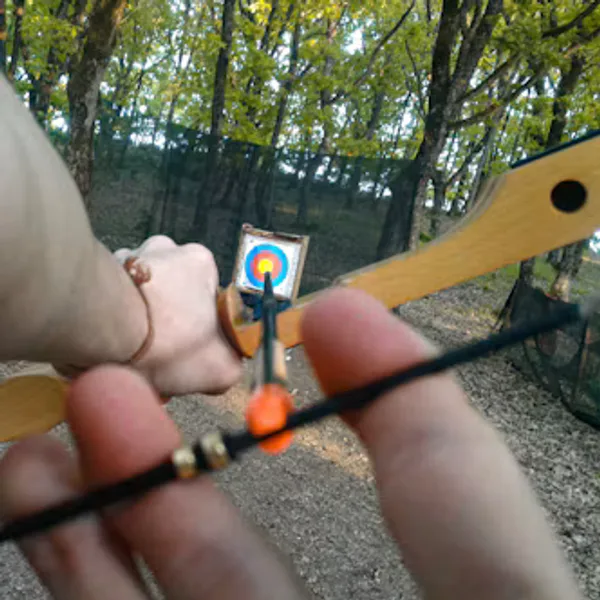
Most longbows have a small shelf or none at all, so you shoot off the shelf or off the top of your bow hand. That’s why longbow arrows wear feathers, not vanes: feathers fold out of the way as they pass the bow.
Many longbows aren’t cut to the center, so the arrow sits a little to the side of the string. Arrow spine matters even more than usual: get arrows matched to your draw weight and length (the arrow spine guide explains how).
- Feathers: they fold flat as they pass the bow.
- Spine: matched to the bow’s weight at your draw, not to its label.
- A stringer: string a longbow with a bow stringer, never around your leg.
Last, try before you buy, which is Karch’s advice too:
I highly recommend if you can get them in your hands and shoot them yourself, see what fits for you.
I agree completely. A shop or a club with a few longbows to try will teach you more in ten shots than any listing, and it’s where you’ll find out whether the longbow really is your bow.
Before you shop, here's the longbow next to a recurve on one page, with the shapes and the weight rule.
// FAQ
Frequently asked questions
Quick answers to the questions readers ask most.
Is a longbow good for beginners?
You can learn on one, but a recurve is easier: less hand shock, more speed and usually a takedown. Start on a recurve unless the longbow is what you really want.
Is a longbow more accurate than a recurve?
No bow is accurate by itself; your form decides that. The recurve’s extra speed flattens the arrow’s arc a little, which helps at longer distances.
How long should a longbow be?
Most run about 64–72 inches, and a longer draw needs a longer bow. Measure your draw length first, then pick the length the maker lists for it.
What’s the difference between a longbow and a flatbow?
A flatbow has flat, wide limbs; a classic English longbow has narrow, rounded ones. World Archery’s longbow class includes both shapes.
What is a hybrid longbow?
A longbow with reflex-deflex limbs: they bend back slightly when unstrung. It shoots smoother and faster than a straight-limbed longbow.
Final thoughts
A longbow is the simplest bow there is, and that’s its charm. Learn on a recurve, then choose the longbow by shape, weight and length when your form can carry it.
Log your groups in the free range log and you’ll know when you’re ready for it.